
WAGYU PREPARATION & RECIPES
Enjoy Wagyu the Way It Was Meant to Be
The Namibian Wagyu Society provides the following guidance to help consumers, chefs, and retailers prepare Wagyu correctly and confidently.
Preparation Principles
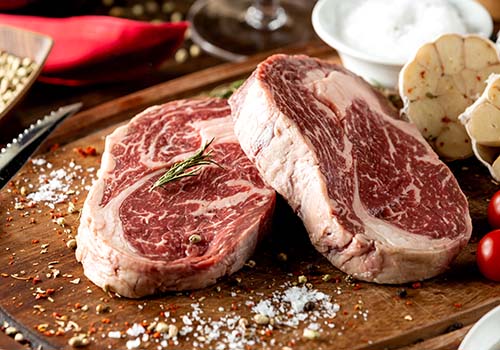
Bring to Room Temperature
Allow Wagyu to rest out of refrigeration for 30–60 minutes before cooking.
This ensures the meat warms evenly, reducing temperature shock during cooking and helping to preserve moisture and texture.
For Wagyu, even heat distribution is especially important to prevent excessive fat loss.
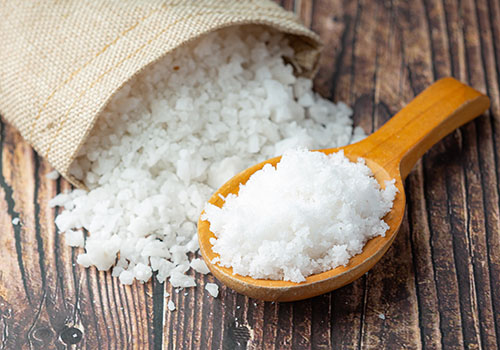
Seasoning – Keep It Minimal
Wagyu has a delicate, refined flavour profile that is best enhanced with minimal seasoning.
Season lightly with:
- Salt, and
- White pepper
White pepper is preferred as it provides gentle warmth without overpowering the natural flavour or aroma of the Wagyu fat. Black pepper can be more dominant and may mask the subtle characteristics that make Wagyu unique.
Season only just before cooking.
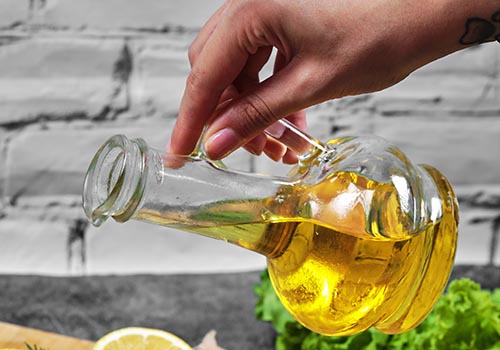
Avoid Added Oils
Wagyu contains a high level of intramuscular fat that renders naturally during cooking.
Adding oil is unnecessary and may interfere with the natural flavour development.
Cooking Wagyu in its own fat allows the meat to develop richness while maintaining balance and elegance.
Braaiing Wagyu – The Namibian Way
In Namibia, braaiing is more than a cooking method — it is a moment of connection, patience, and respect for the meat.
When Wagyu is brought to the fire, it deserves the same care and restraint that define both the breed and the Namibian braai tradition.
Wagyu’s natural marbling means it behaves differently from conventional beef. A successful Wagyu braai is therefore not about speed, heavy seasoning, or large portions, but about balance, simplicity, and attention to the fire.
Respect the Fire
A Wagyu braai starts long before the meat touches the grid.
Clean, well-settled coals provide steady heat without aggressive flames. Open flames and excessive flare-ups overpower Wagyu’s delicate fat and mask its natural flavour.
In Namibia, the best braais are unhurried — allow the fire to settle and let the coals do the work.
Let the Meat Speak
Wagyu requires little intervention.
Minimal seasoning allows the natural flavour of the beef and its marbling to remain the focus. Strong marinades, sauces, or rubs distract from what makes Wagyu unique.
Season simply and only when the meat is ready for the fire.
Short Time, Gentle Handling
Wagyu should spend less time on the grid than conventional cuts.
A brief sear over hot coals, minimal turning, and gentle handling preserve tenderness and prevent excessive fat loss.
Wagyu is best enjoyed rare to medium, where its texture, juiciness, and flavour are at their best.
Pause Before Serving
After the fire, allow Wagyu to rest briefly.
This moment allows the juices to settle and the rendered fat to integrate, resulting in a cleaner, more balanced eating experience.
Less Is More
A Namibian Wagyu braai is not about filling the plate.
Serve smaller portions, slice against the grain, and pair Wagyu with simple sides that complement rather than compete with the meat.
Wagyu’s richness rewards restraint.
Important Note: This information is provided for general guidance only. The Namibian Wagyu Society does not certify cooking methods or endorse specific preparation techniques.
Best Wagyu Cuts – Pan vs Braai
Best for the Pan
- Ribeye
- Tenderloin (Fillet)
- Striploin
- Flat Iron
Best for the Braai
- Ribeye
- Striploin
- Rump (select, well-marbled cuts)
- Flat Iron
- Wagyu Boerewors (where available)
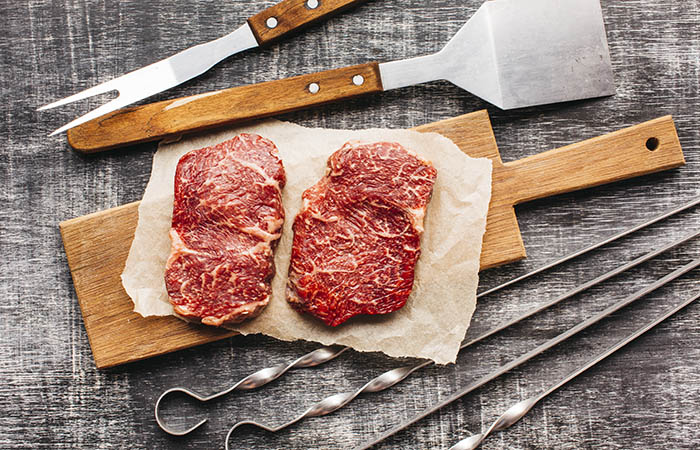
Wagyu Cuts
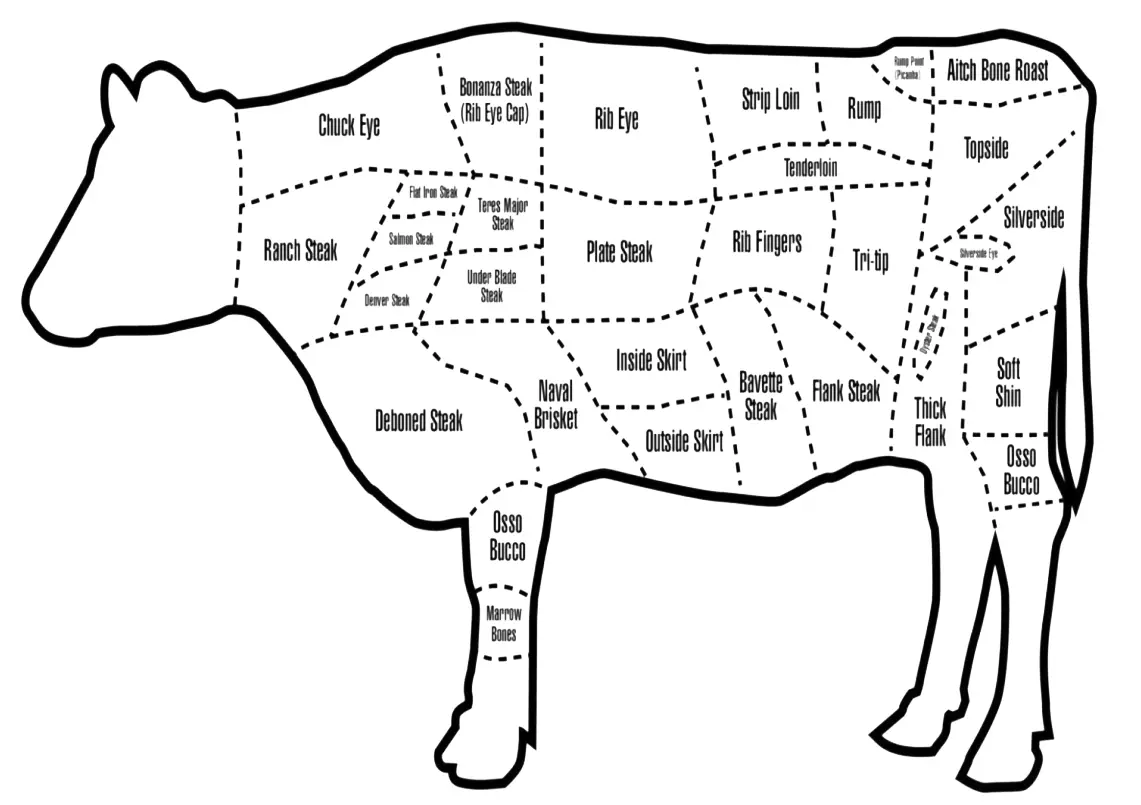
Rib Eye
Very tasty
Excellent marbling
Ideal for the braai
Where to Buy Wagyu
Wagyu beef is available in limited quantities through selected producers, processors, retailers, and food service outlets.
The Namibian Wagyu Society does not sell Wagyu beef and does not endorse specific suppliers.